Singles Freestyle
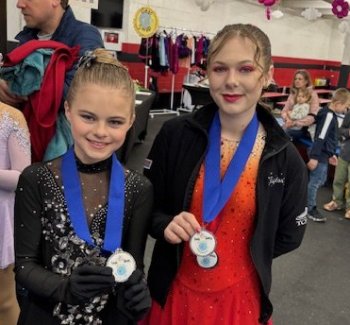 Singles Freestyle is the discipline in figure skating that most spectators are familiar with. In free skating, or "Singles Freestyle" skating, a competitive skater performs a program that lasts anywhere from 1 to 4-1/2 minutes, is composed of elements such as jumps and spins, skated to music. Members also compete in "Showcase." Click this link for an example of freestyle from one of the best!
Ice Dance (Paired, Solo, Shadow & Synchro)
|
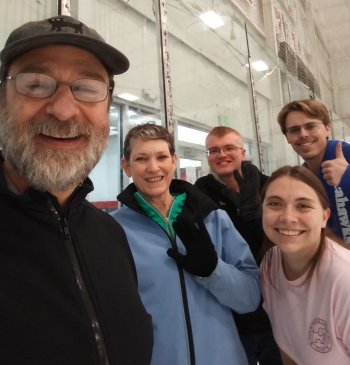
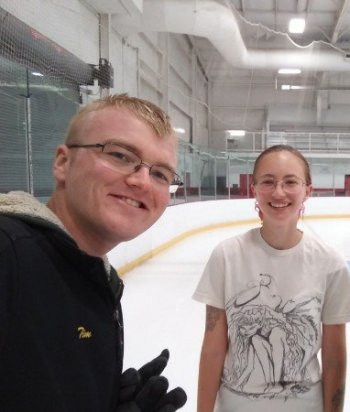
Note: Ice dance is one of the skating disciplines where age is no barrier. Many adults and senior adults nationwide enjoy this discipline for both its athletic value and its social aspects. Additionally, many skaters ice dance as a supplement to the freestyle discipline to improve footwork and artistry in their sport.
All these forms of ice dancing are getting VERY popular across the world right now as competitions introduce these categories. Ice dance competitions consist of two segments: a rhythm dance and a free dance. The rhythm dance features required elements, including lifts, step sequences and pre-determined dance patterns performed to a specific rhythm of music within a required tempo range. Each team will show off their technical skating ability and style as they try to earn the most points heading into the free dance. The free dance, like the rhythm dance, features step sequences, lifts and a broad selection of difficult skating skills, but the team skates to a music and tempo of their choosing, with a goal of pulling off an entertaining, moving and inspiring performance that looks effortless despite its difficulty. Innovative choreography, timing and rhythm are paramount. After the second segment of competition, the scores from the rhythm dance and free dance are added together to determine overall placement.
Theater On Ice (TOI)
Theatre On Ice (TOI) is a form of competitive and performative figure skating that combines the grace of figure skating with the excitement of theatre and dance. Known as “Ballet on Ice” in Europe, TOI teams consist of eight to 28 skaters on the ice telling a story together. Feel free to contact Allison Hughes for now at (509) 820-1127 or amhughes888@gmail.com on the current TOI studio practices and performances being worked on by these club members. You can also click here to visit our dedicated Theater On Ice page.